As a Senior Product Designer at Ledger Enterprise, I led the redesign of our critical onboarding experience. Transforming a linear, time-consuming process into an efficient, parallel workflow that respects the time constraints of C-level executives while maintaining the highest security standards.
Average onboarding duration speed up from 4 hours to 45 minutes.
Userflow transformation
Typical client's team size, including C-level people
With unique security requirements
New standard for all enterprise clients
Required before onboarding
Customer support managers once had to send Excel files with instructions. Once ready, clients had to follow a very linear (time-consuming) and repetitive (boring) workflow. How could we replace this archaic system with something fast, intuitive, and meaningful?


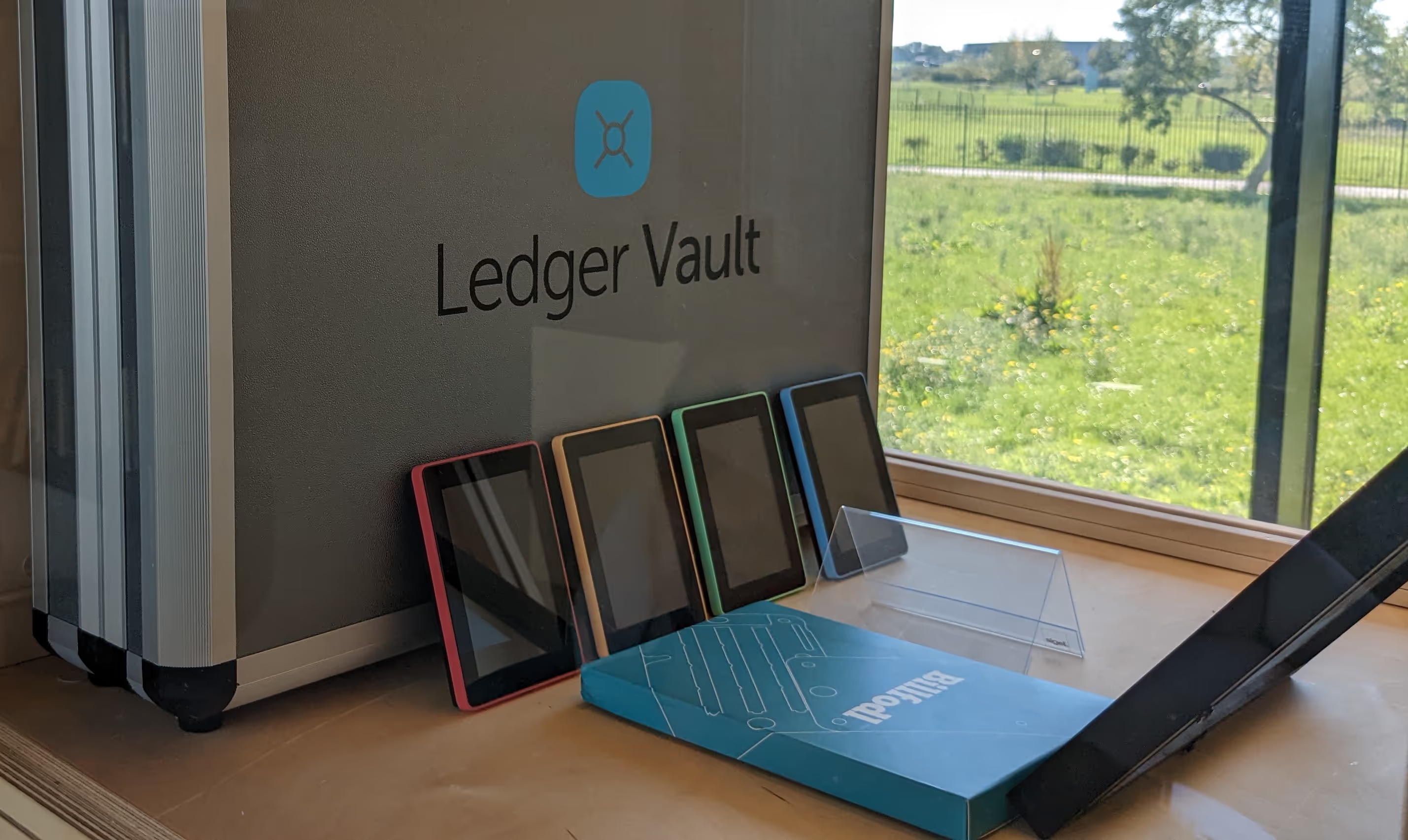
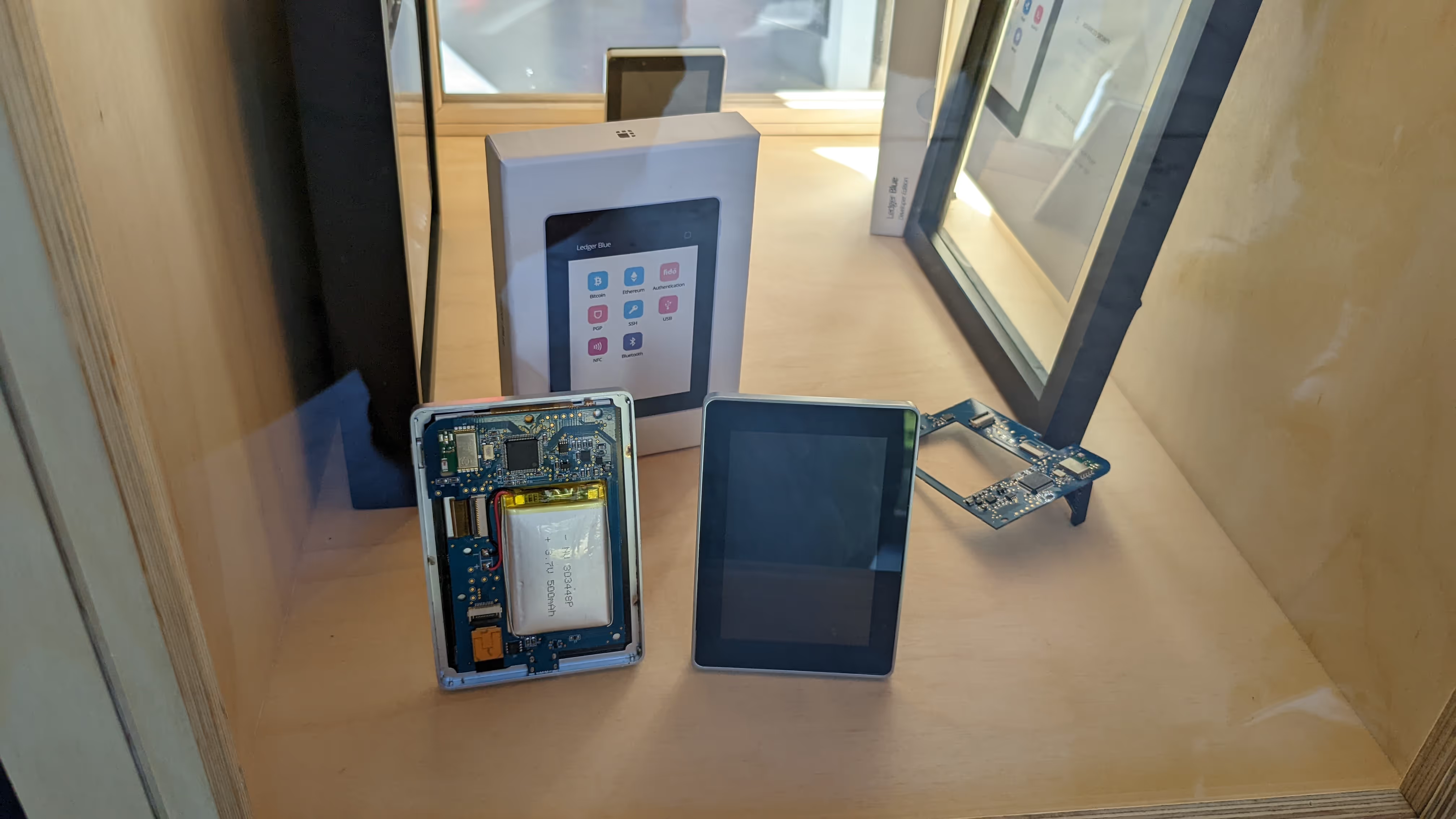
Since 2019, “Ledger Blue” device was removed from retail but was provided with the Ledger Vault professional solution, available in four colors.I initiated the onboarding revamp since I knew that Enterprise clients would have in hand the first curved E-ink device, “Ledger Stax” designed by Tony Fadell’s team (inventor of the iPod and iPhone).
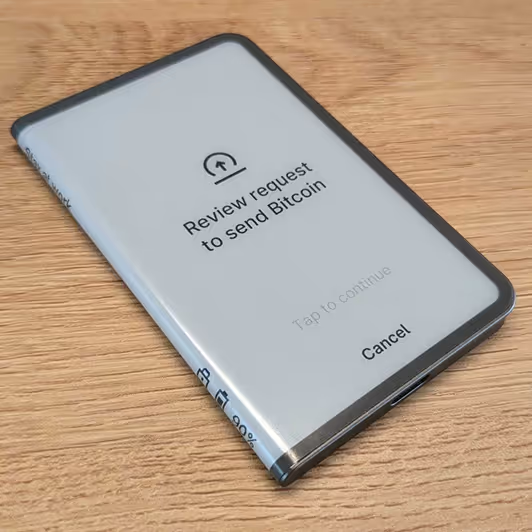
Before diving into the full onboarding experience, which required users to switch from their computers to the device screen, I redesigned all existing interactions and interfaces on the old device. To do this, I printed some screens at 1:1 scale, in order to quickly determine which designs worked best with the constraints of this new device. It represents hundreds of screens.


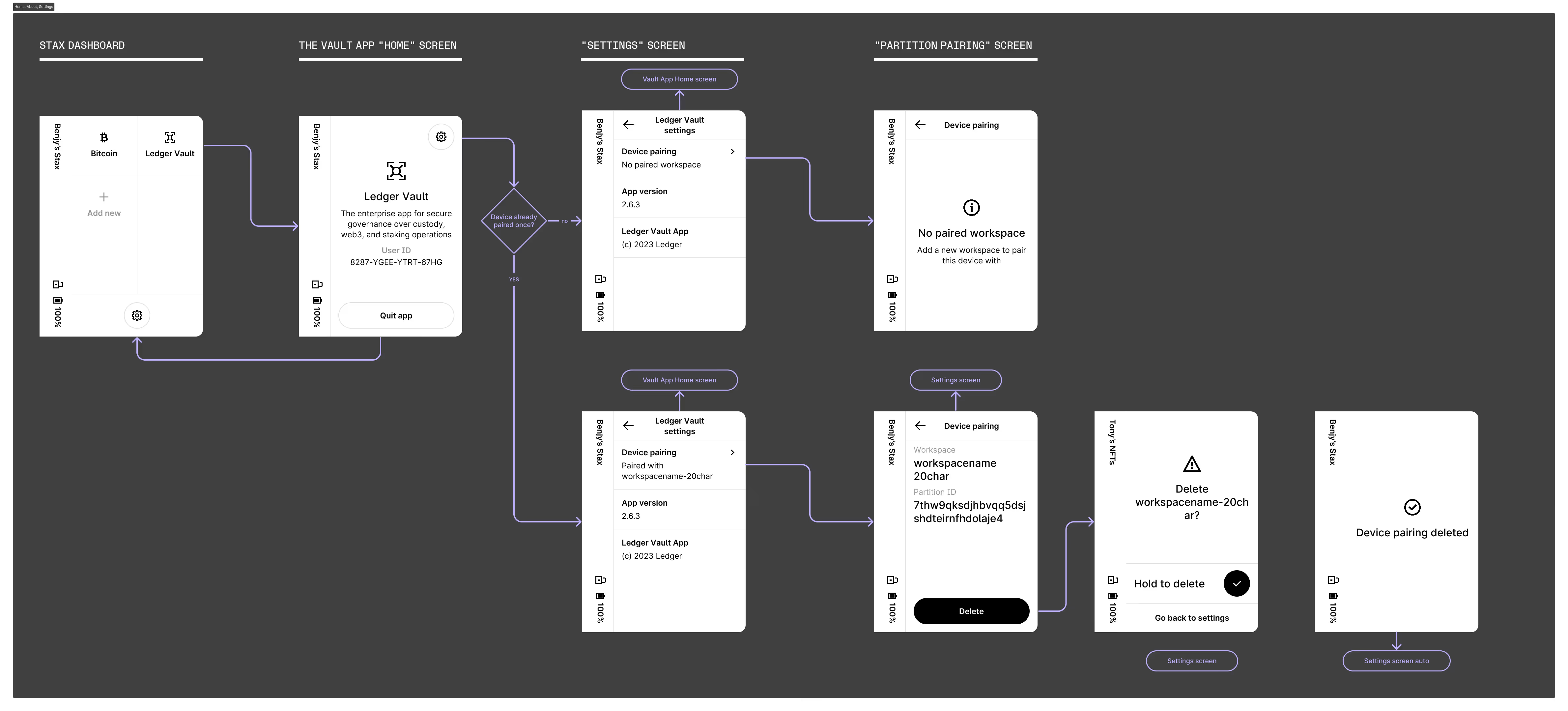
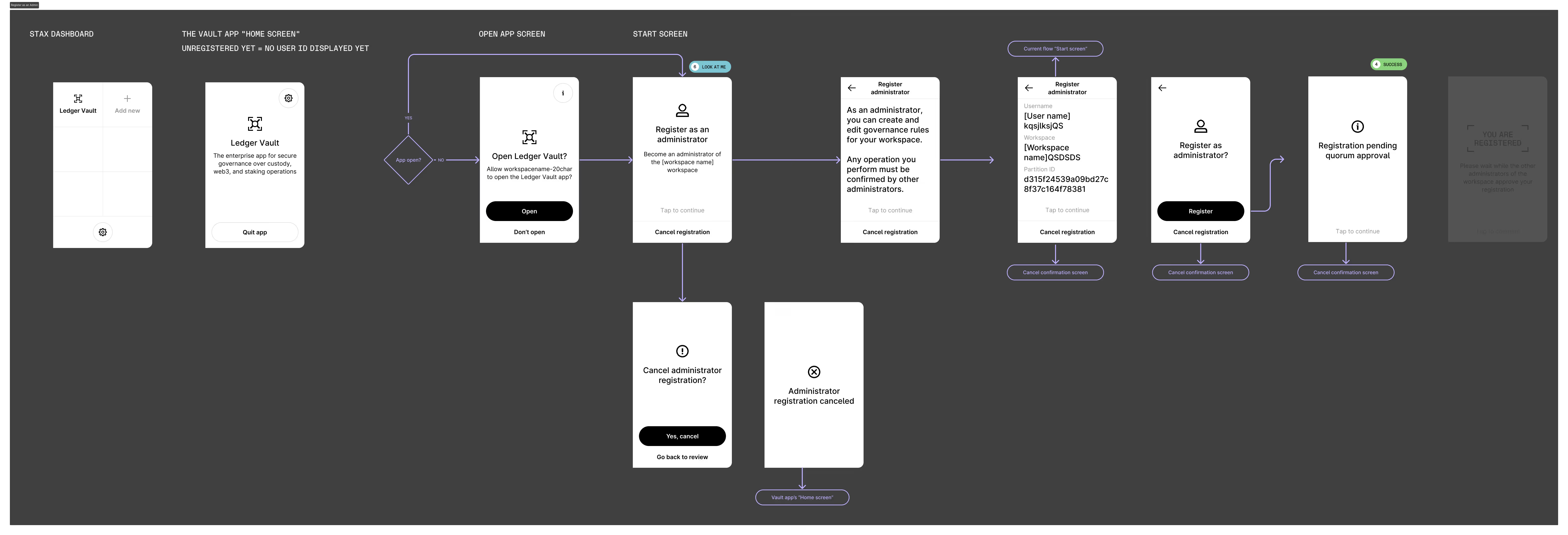
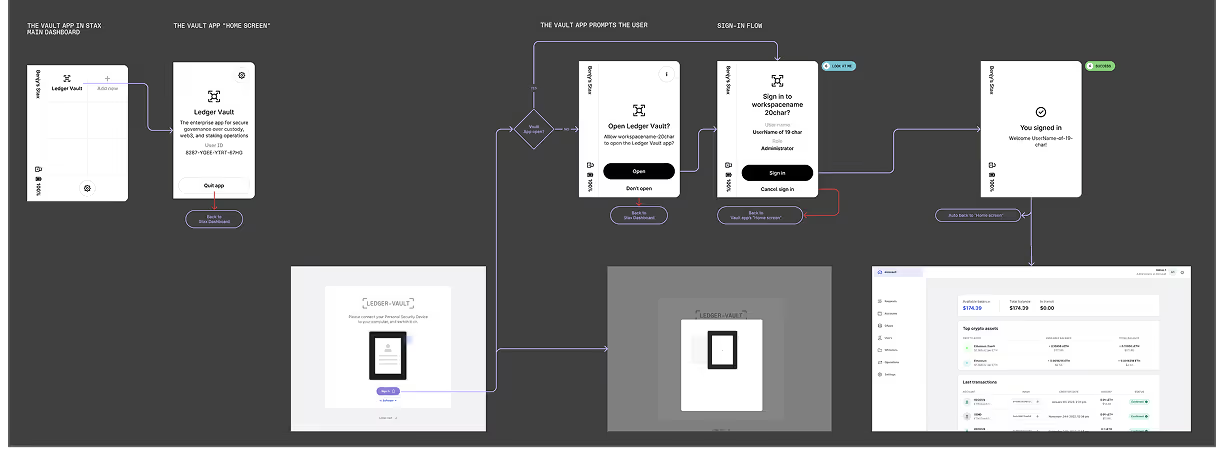
We traced each step of the old process, from the first contact to final setup. This revealed where delays and confusions most often occurred.


I brought the new flow into Figma to simulate client interactions. These mid-fidelity prototypes helped the support team visualize the shift in practice.
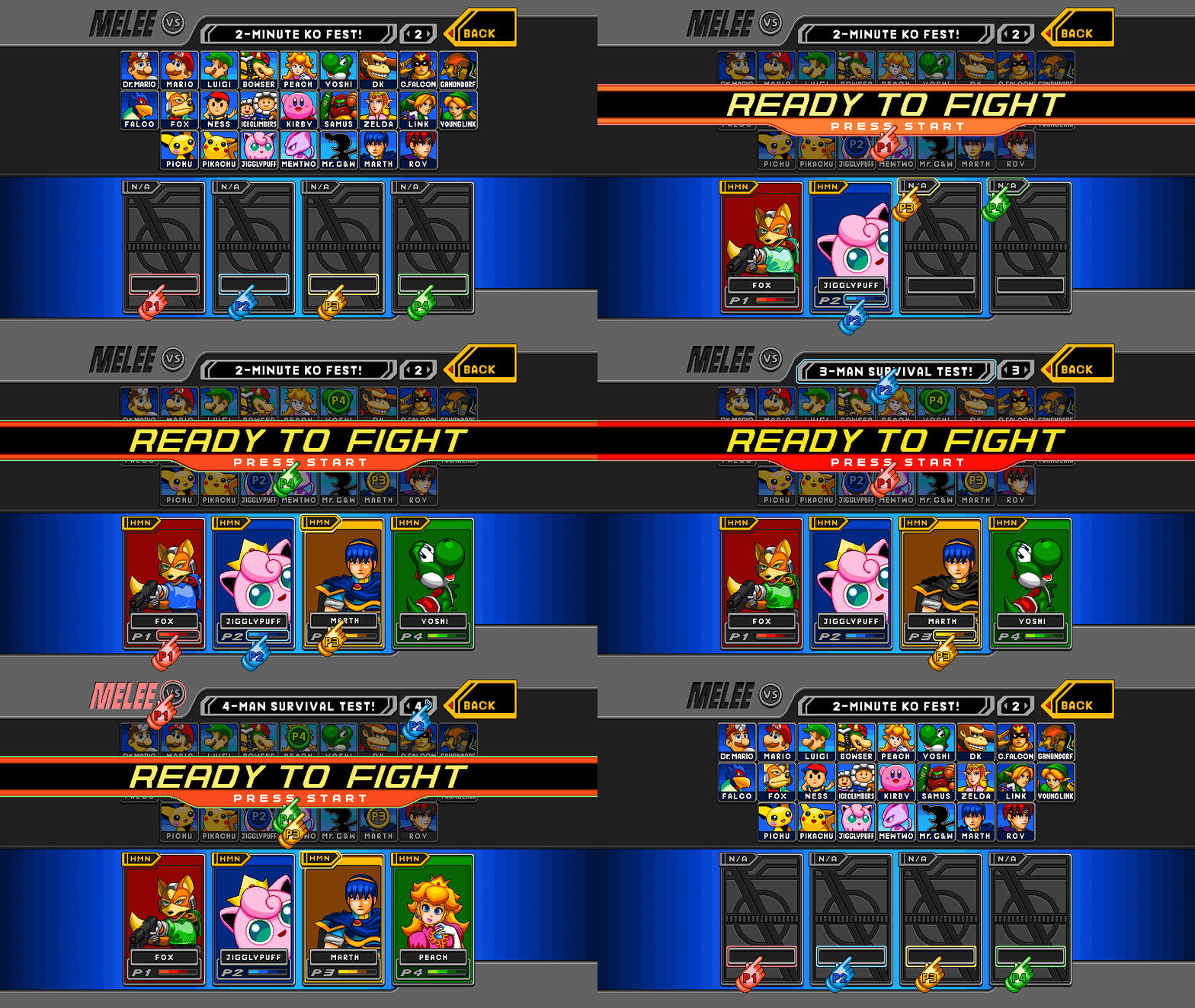
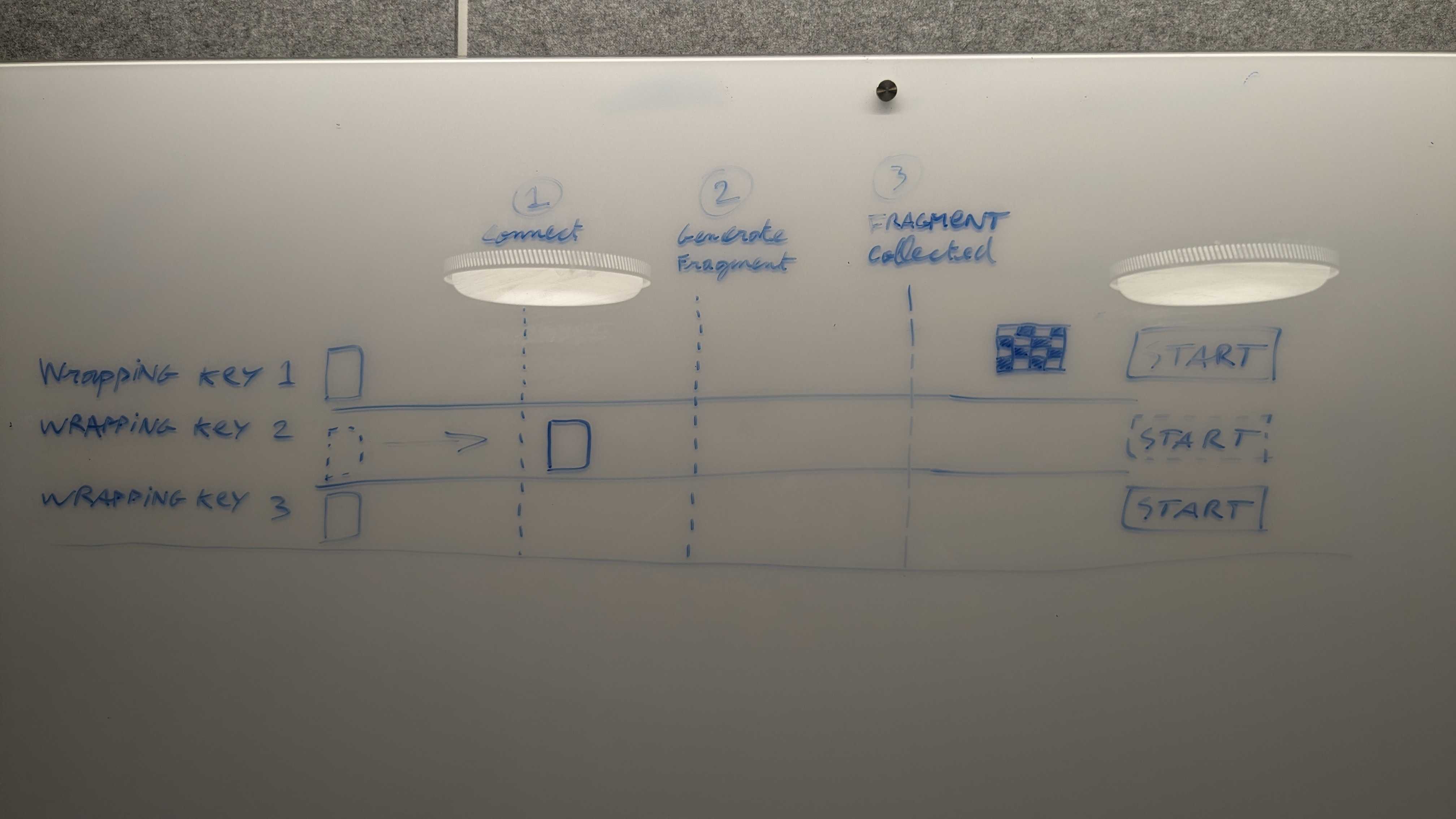
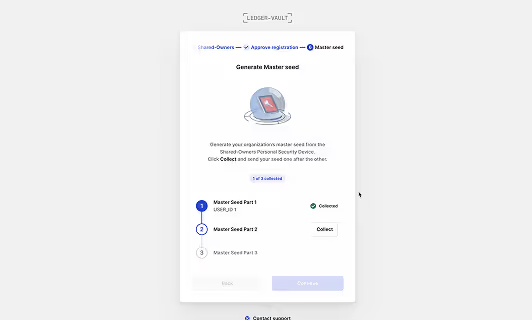
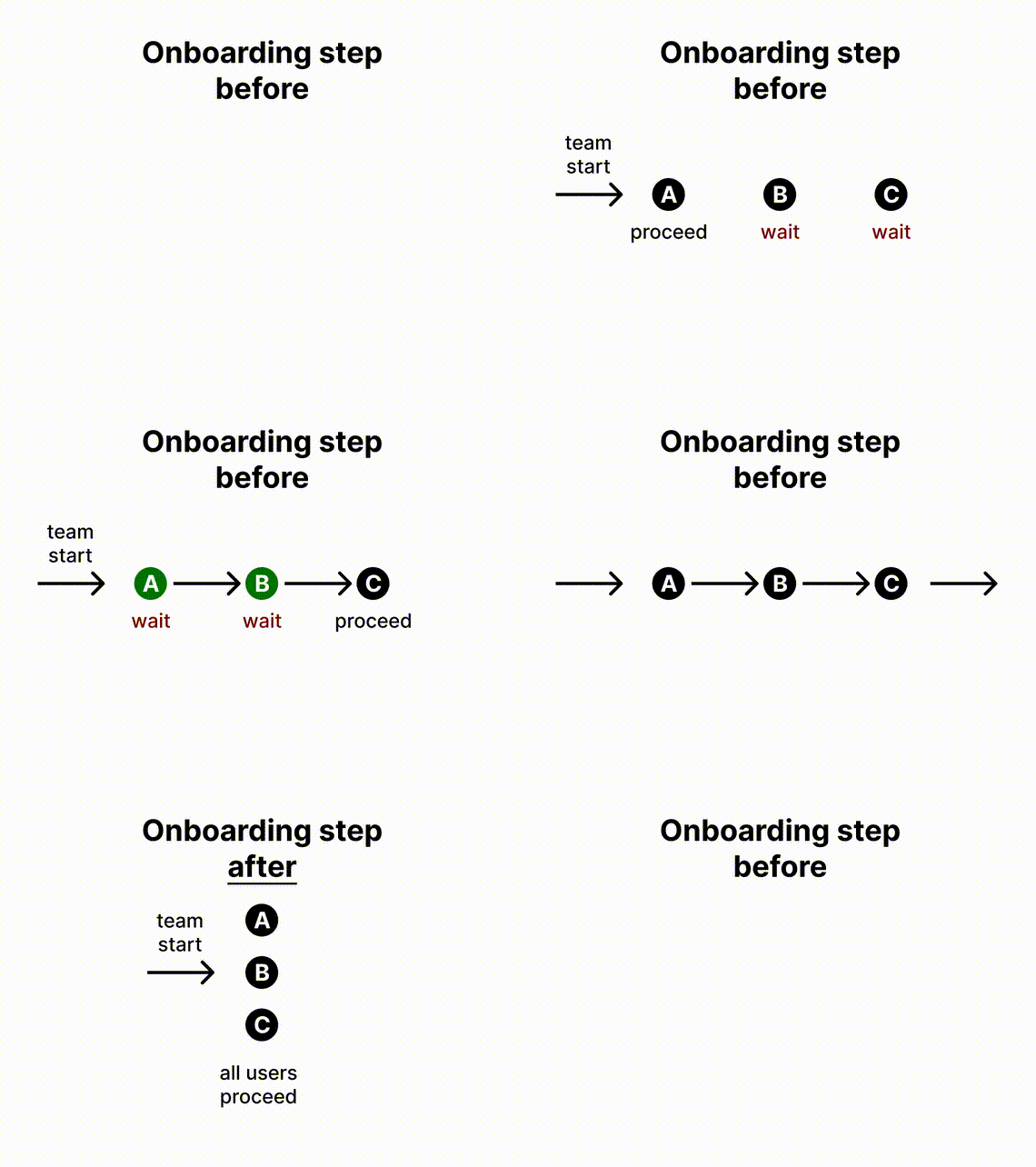
Inspired by video-game experiences (such as the character selection menu in multiplayer games), I introduced workflows that allowed each participant to register their device without having to wait for their teammates.Performing personal tasks in parallel rather than linearly as a team creates a more stimulating team spirit for achieving a common goal.
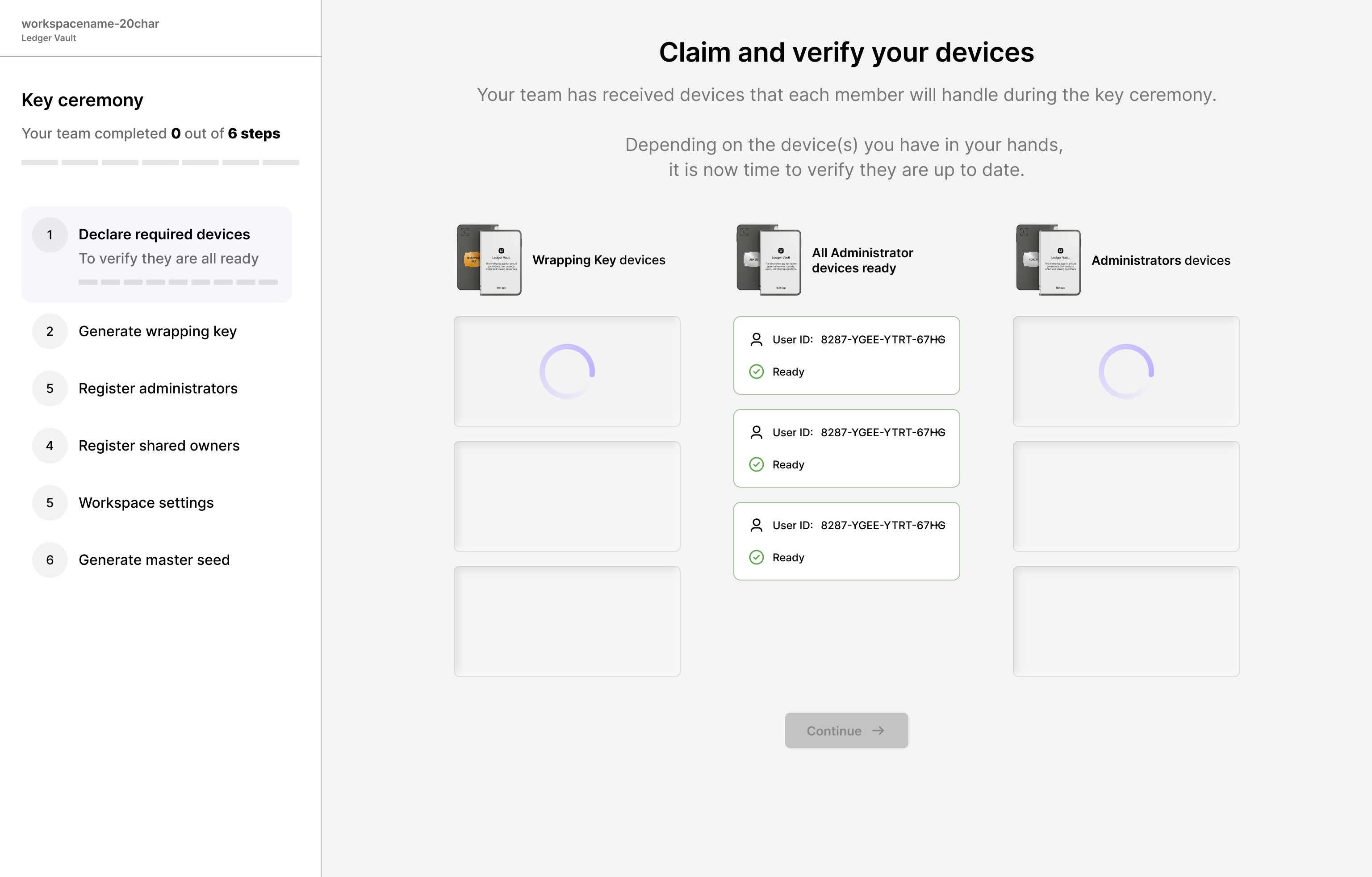
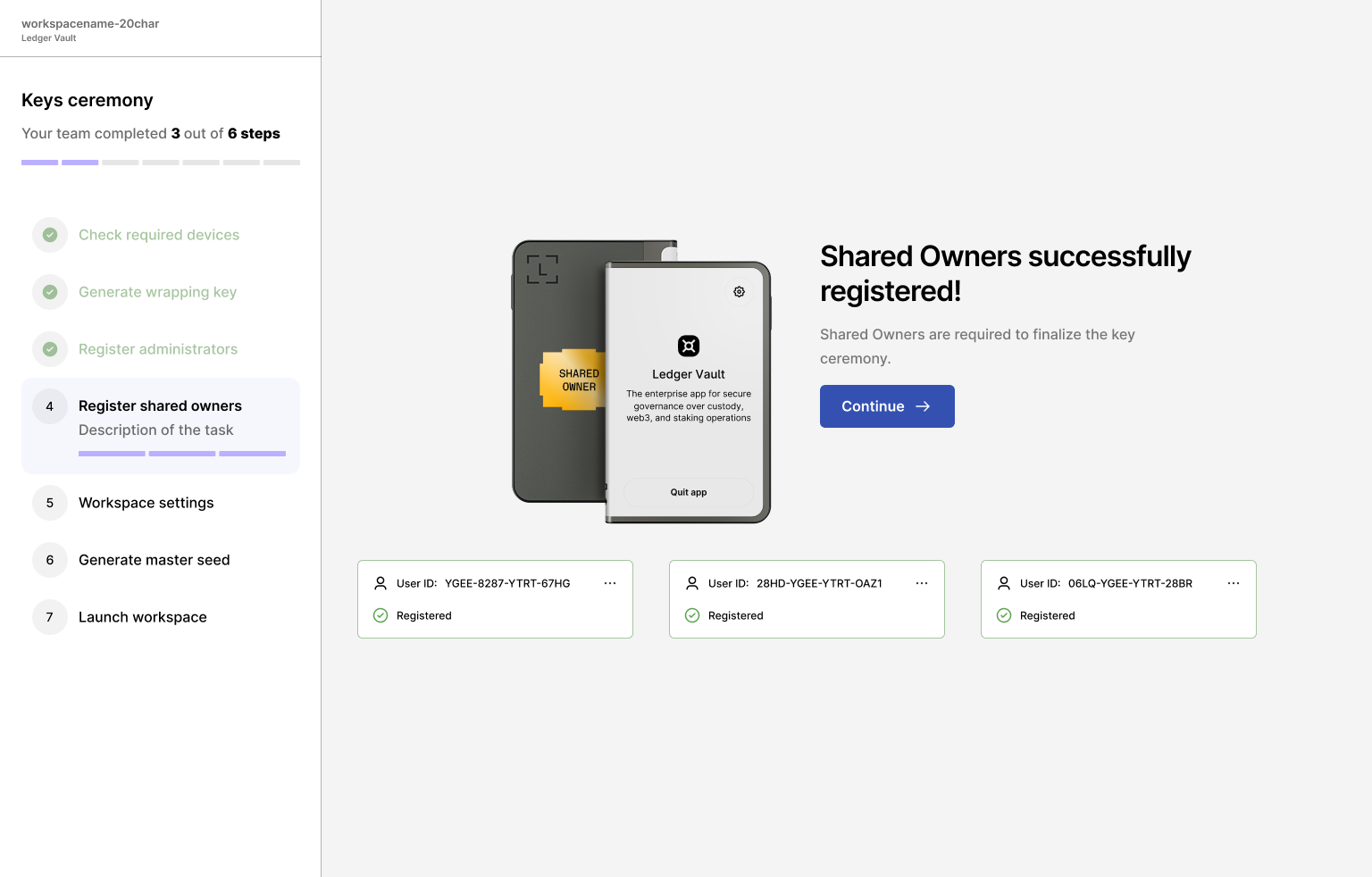
I brought my concept to life by displaying a board of empty boxes waiting to be filled with cards indicating each person's progress.This allows the client team and customer support team to track the onboarding process in real time.
.png)
To grasp and to enhance the end-to-end onboarding experience, I gathered into a box all the mandatory materials. This permitted us to rehearse the new user experience, acting with what we’d give them in hand.The design intent here was to play with a quick and dirty prototype, experiencing the process concretely and to find solutions fast, at no costs.
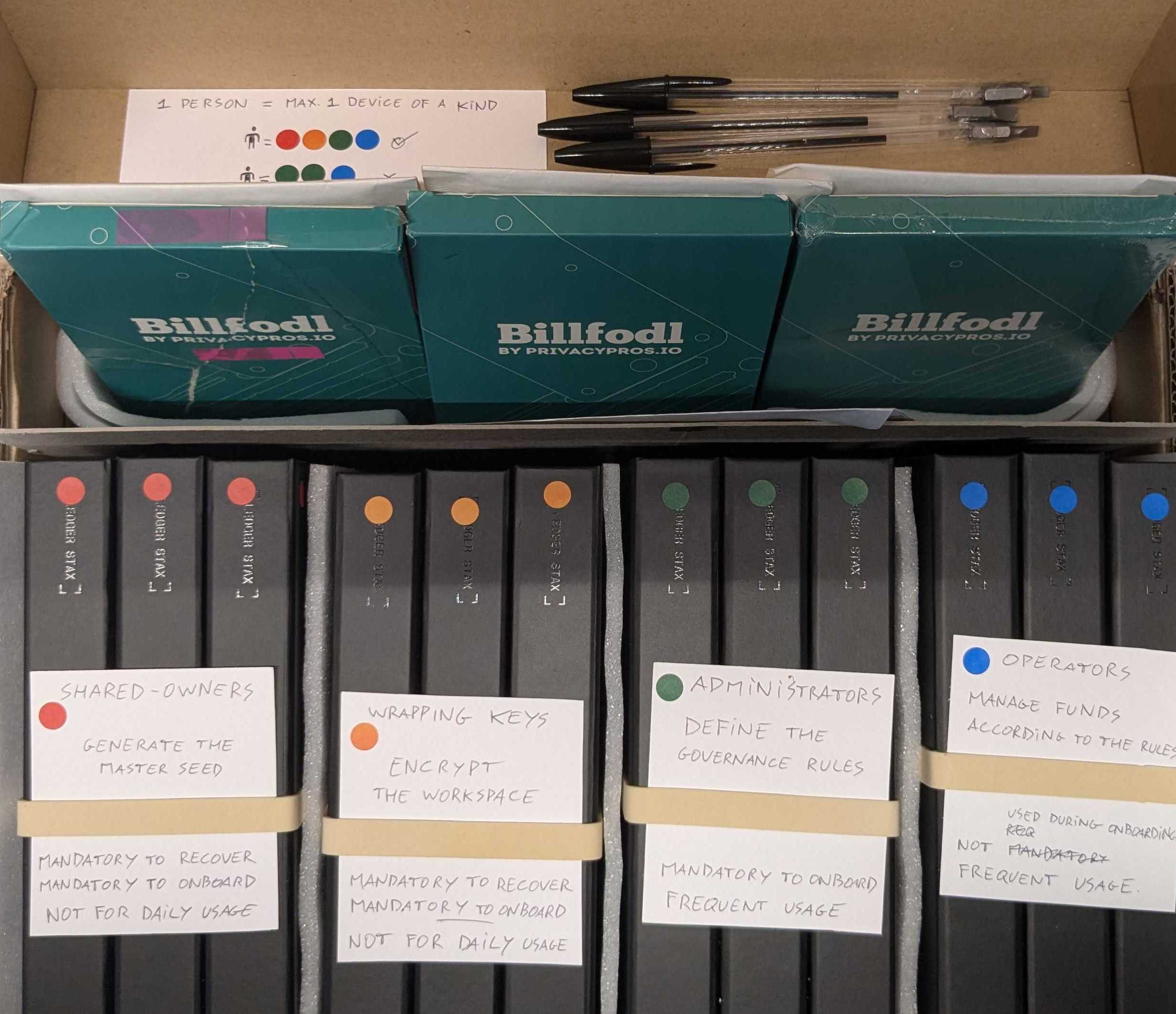
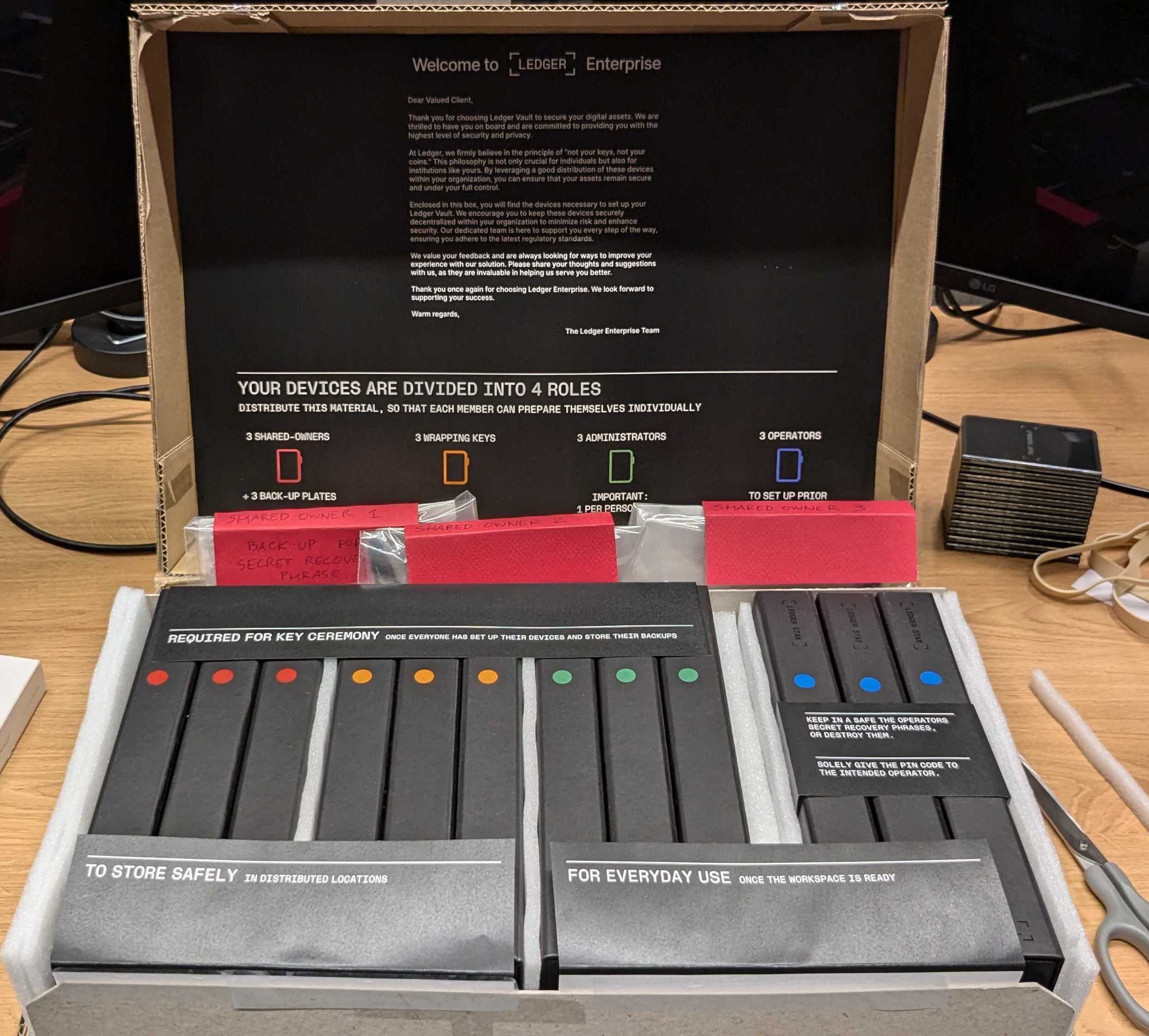
We tested the prototypes internally and with pilot clients (Ledger’s finance team are users of the platform). Their input confirmed the need for clearer instructions, better physical support and stronger progress tracking.

🚀 Big News, Team! 🚀 We're super thrilled to announce the successful completion of the first-ever Production Stax Onboarding into a Ledger Enterprise workspace! 🎉🥂💪🚀
Actually, we didn't just do one—we pulled off two onboardings in a single day! 🤯🎊 Both Tungsten and Exmo's experiences were really smooth thanks to the new onboarding tool, which makes a massive difference. we made it happen!
👏🏼 This was only possible with the invaluable support of: [redacted] …and several other amazing colleagues from Engineering & Product, especially on Front-end—you guys crushed it! 💥
The onboarding UX trauma is officially a thing of the past—the future looks bright for the Vault! 🔥💎
