Ledger Vault powers institutional crypto operations. I helped turn it from a technical interface into a collaborative product: one that supports multiple roles, grows with new features, and feels better to use every day.
Led product design across the entire Vault platform, from daily UX improvements to strategic feature launches.
2022 → Initial product team
2024 → Direct with strategy lead
2025 → New product team
Designed for teams with multiple roles (admins, operators, auditors) and strict governance flows.
Adapted Ledger’s visual identity to a professional-grade platform, including dark mode support.
Major launches supported:
- NFT Gallery
- ETH/SOL staking
- Trading network
- New devices generation
Owned all UX/UI streams:
- Navigation & workflows
- Roles logic
- Scalability
- Design ops.
Financial institutions want to benefit from crypto opportunities,
but security remains a major obstacle. How can they operate more efficiently in the crypto space without compromising
the protection of their funds?
Institutional investors face this dilemma. Their capital is exceptionally well secured with Ledger devices, but that didn't meet their day-to-day and team-based operational needs.
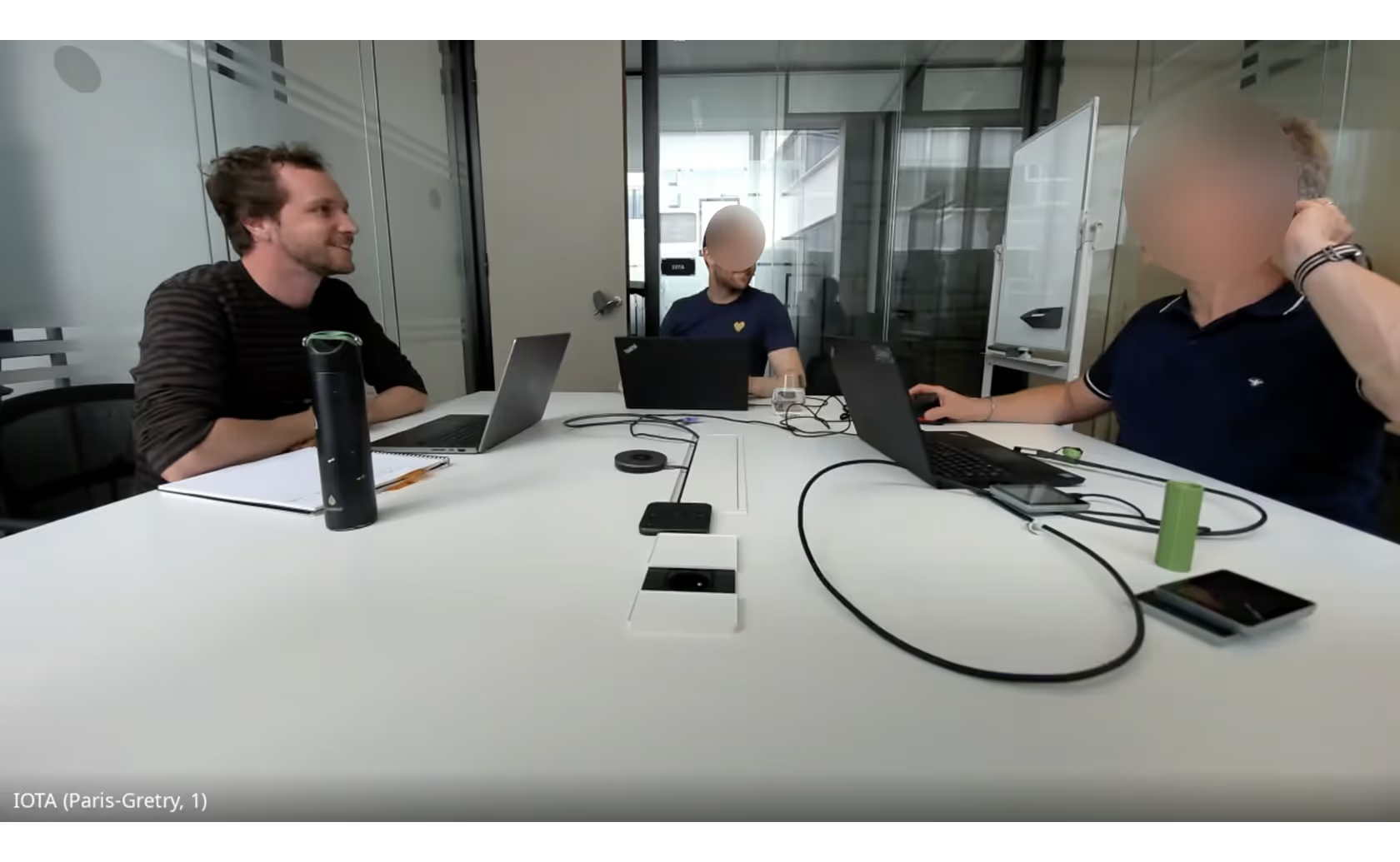
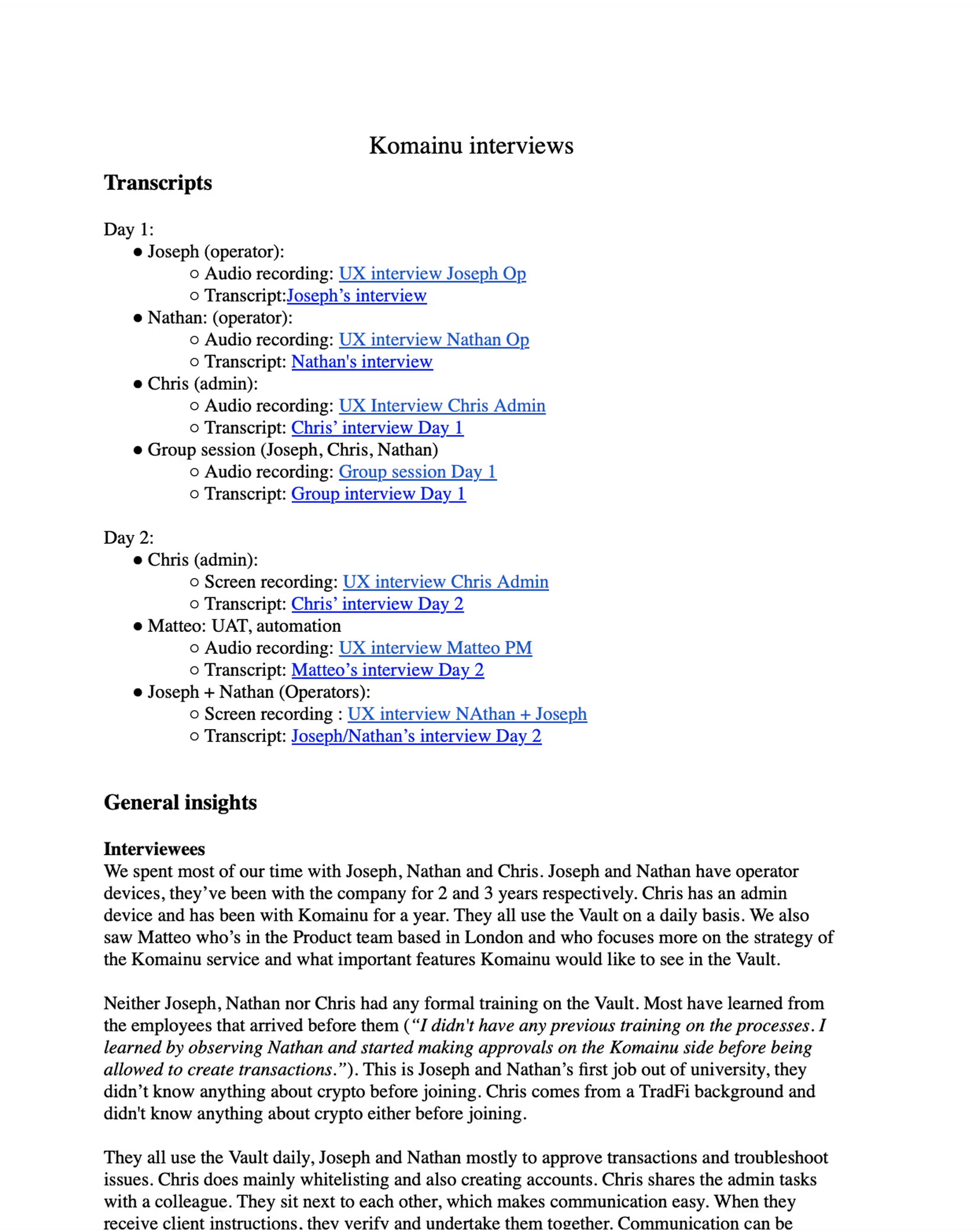
We engaged directly with clients to understand their experience with the platform. I integrated all testimonies to prioritize the UX/UI requirements and better fit their needs.

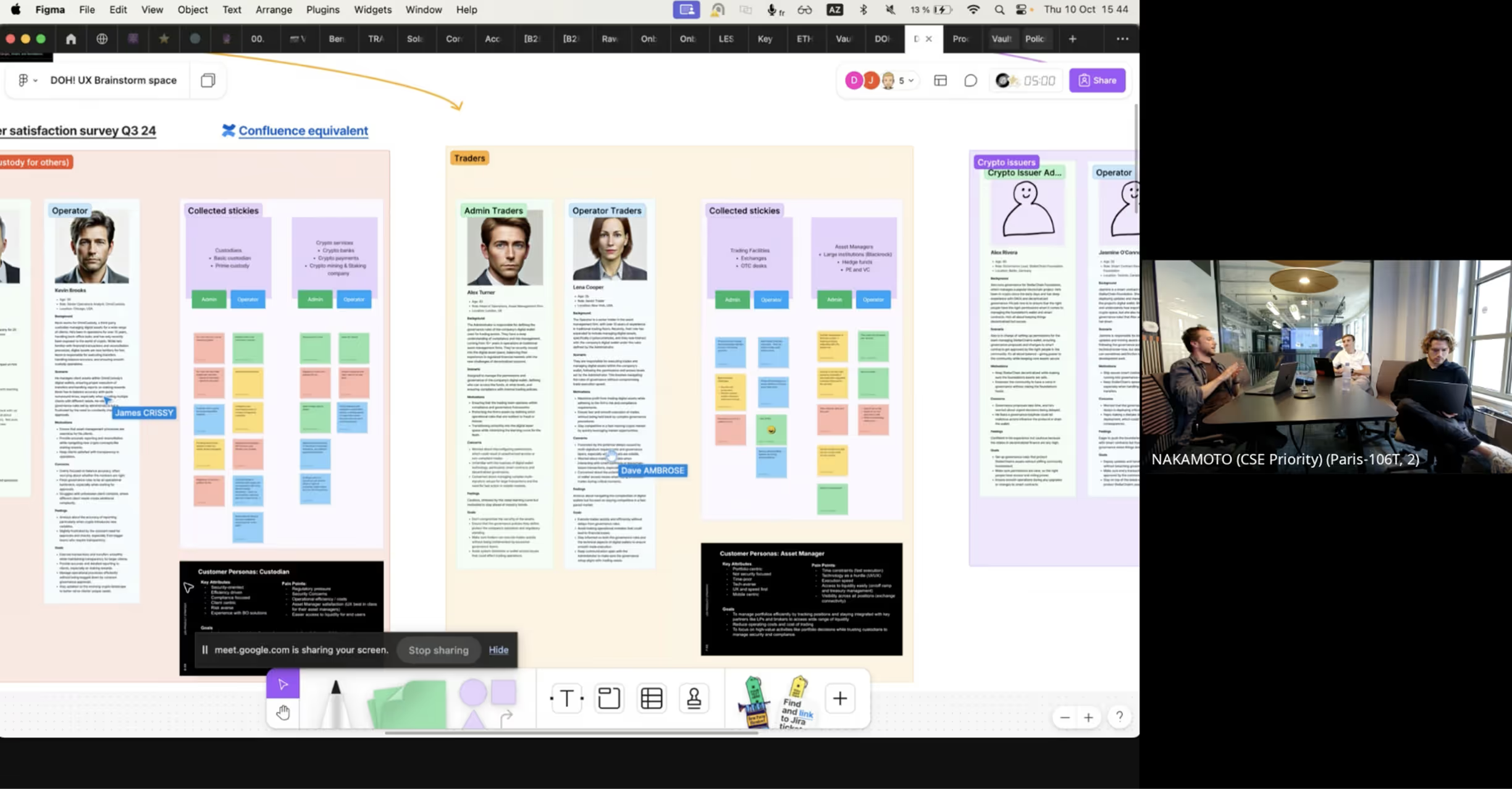
To address these challenges, we needed a clear point of reference. I created different personas categorized by clients segment to guide the design process for their business reality.
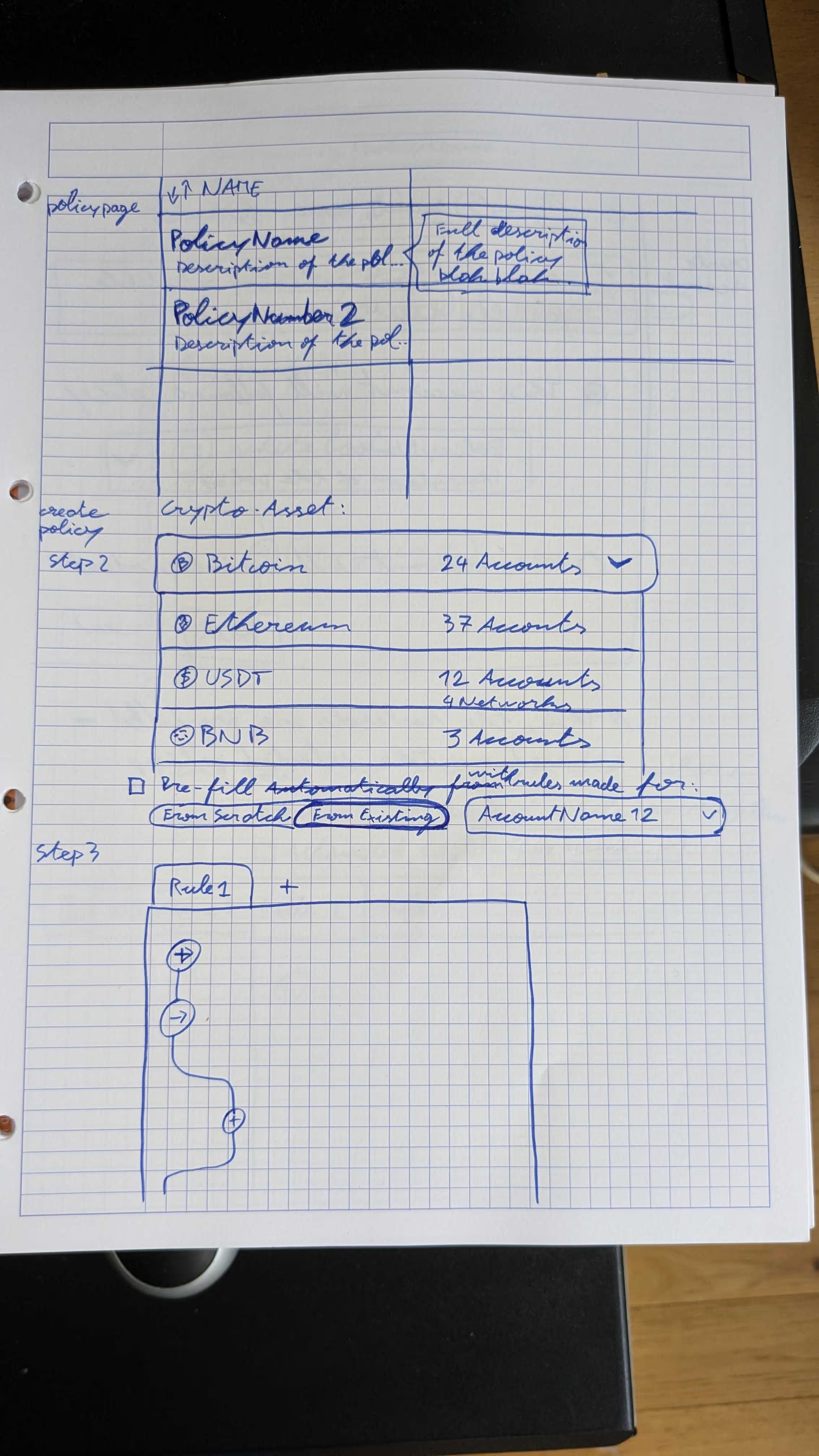
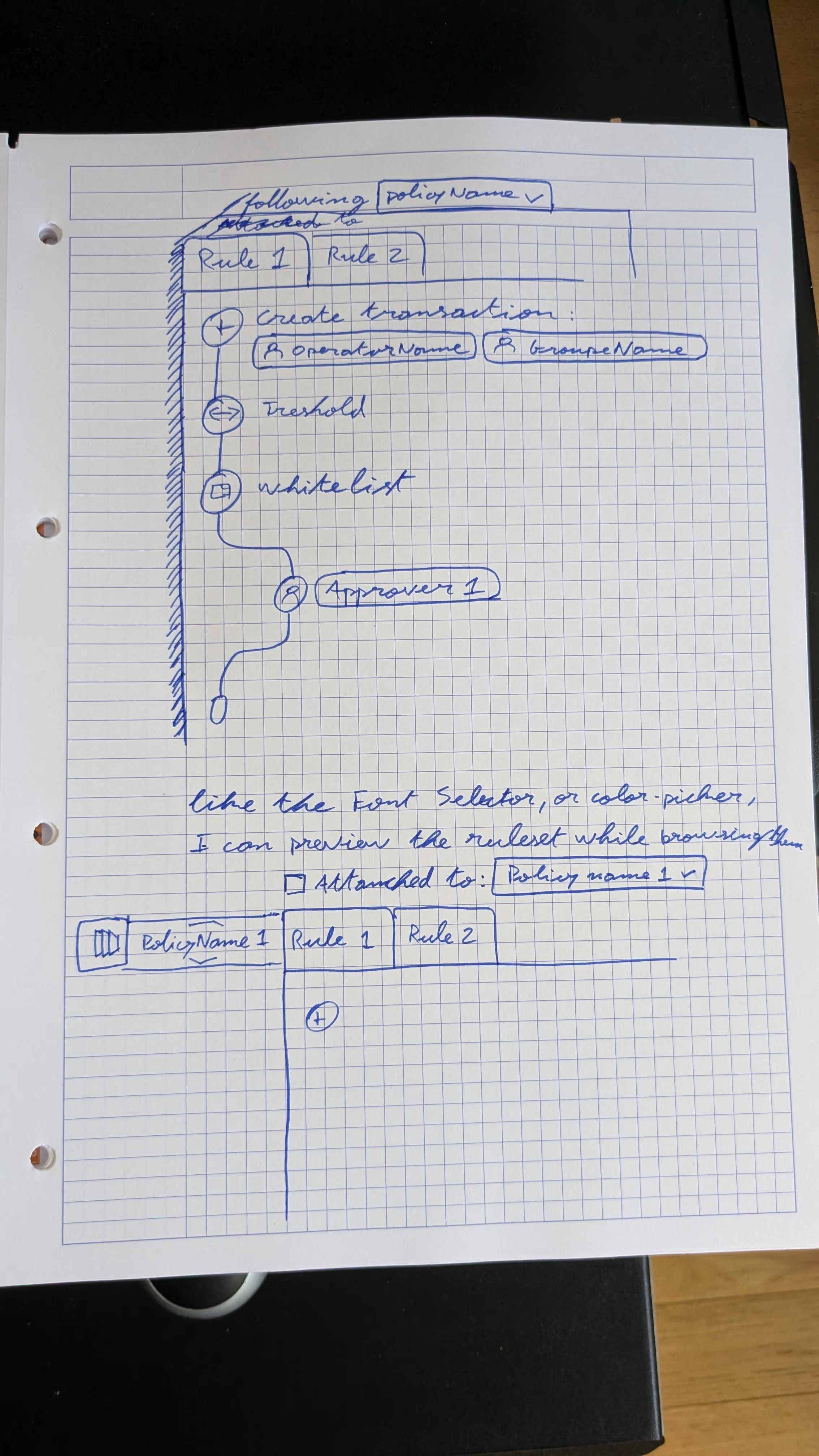
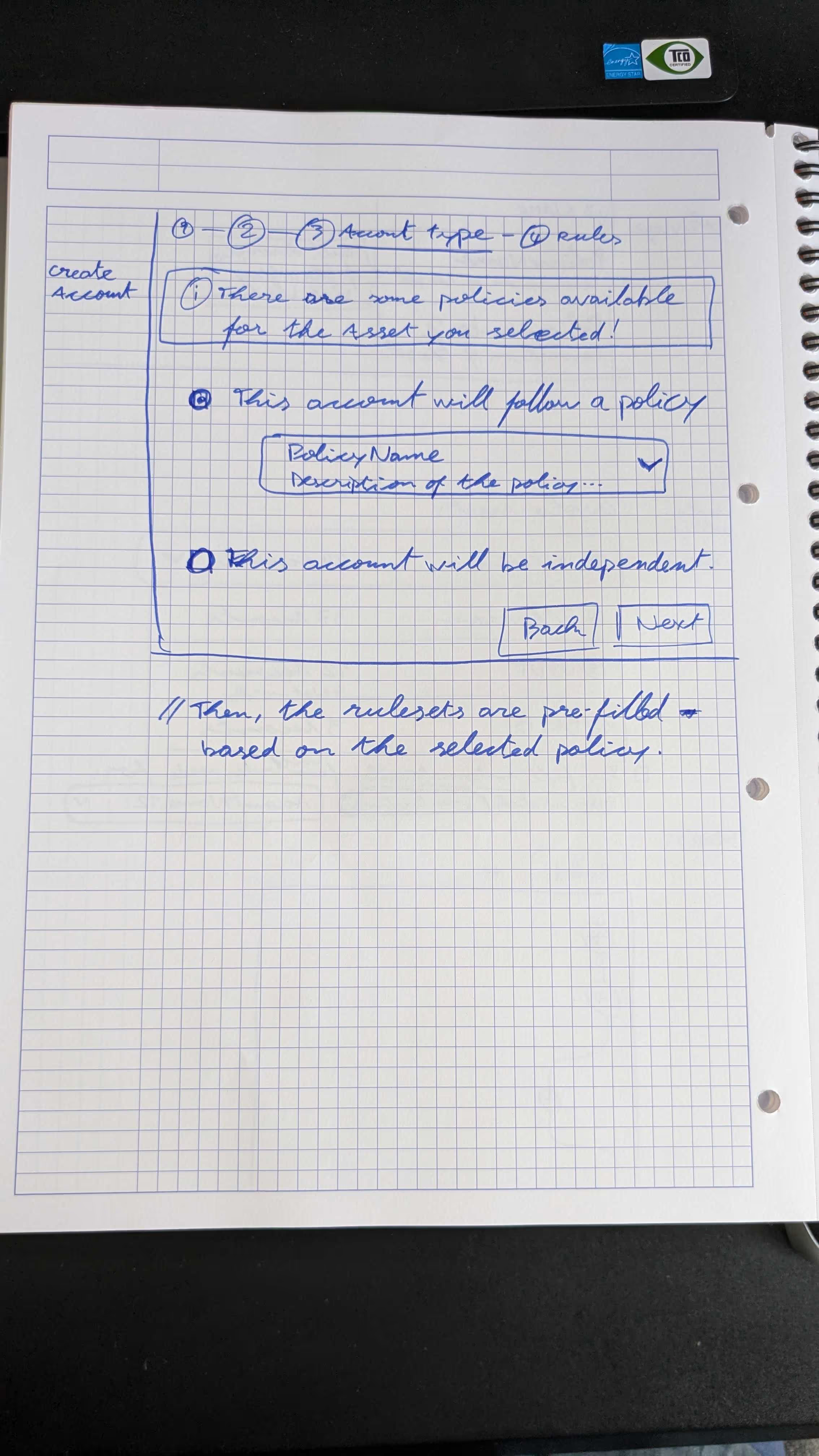
Managing digital assets involves many steps and complex information. I sketched wireframes to make the process as clear and simple as possible from the start and quickly validate it with the team.
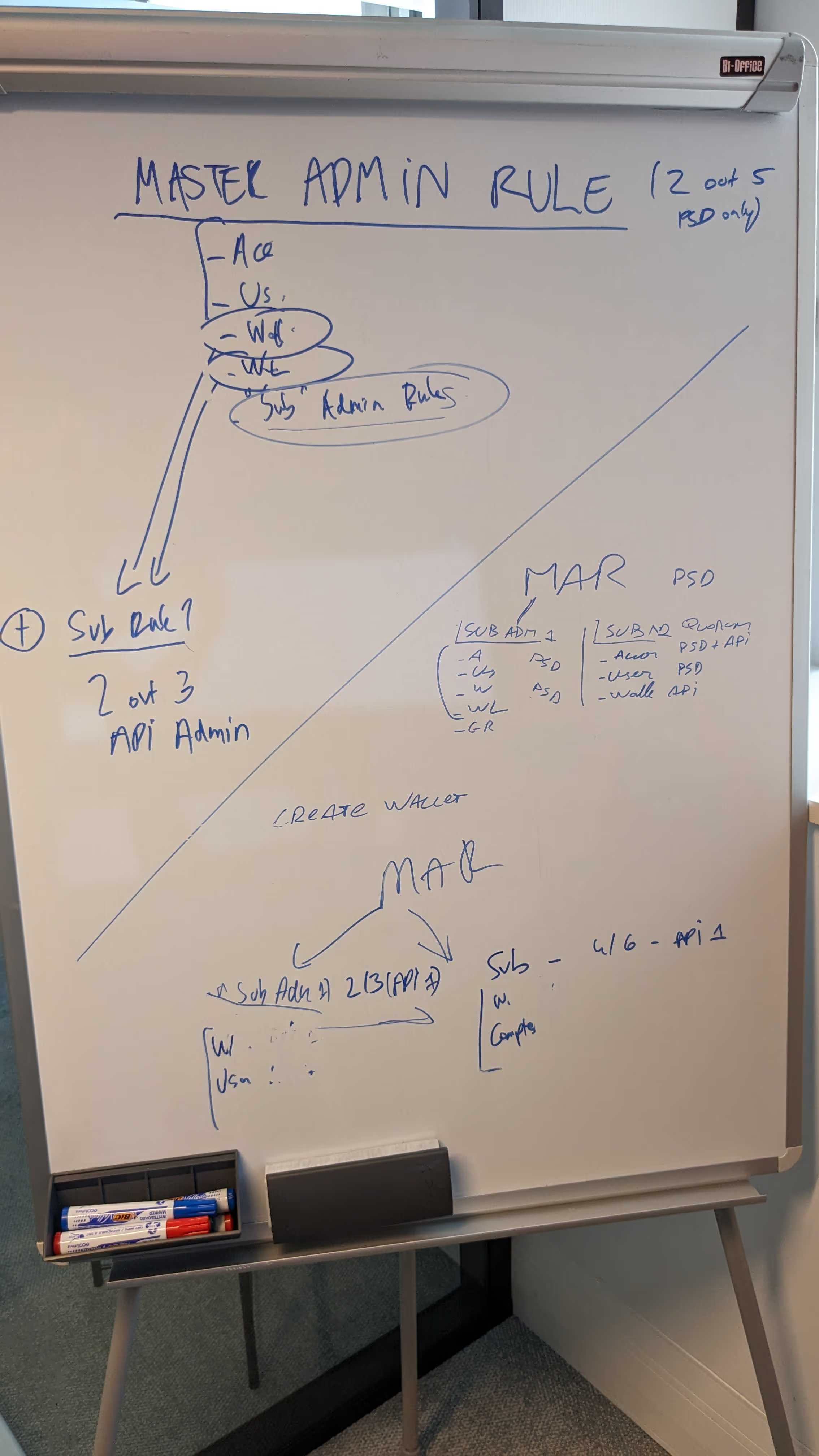
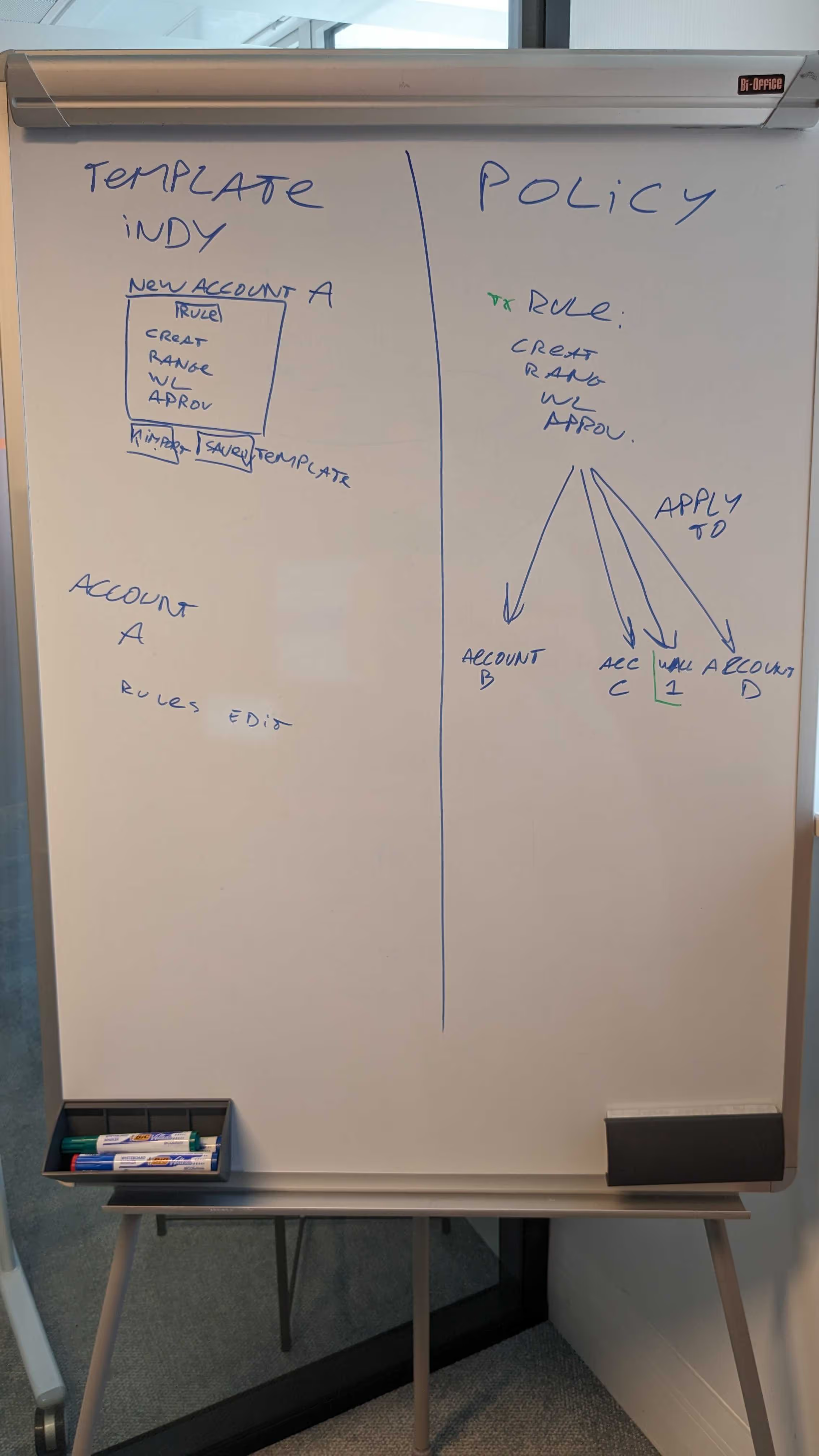
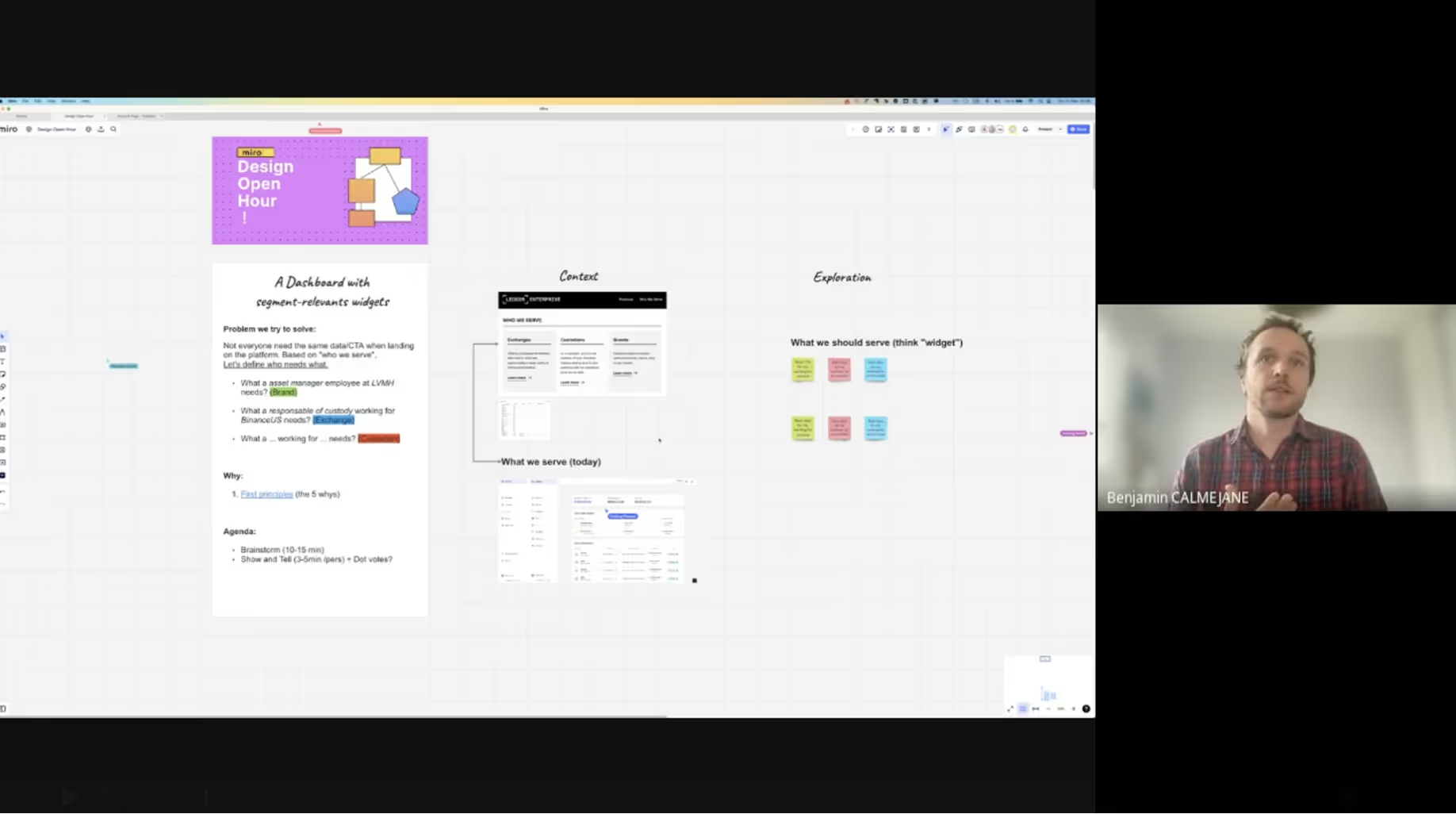
Ledger is a large company but their teams are quite isolated. Because great ideas can come from anywhere and to consider everyone’s voice, I put in place some short design workshops in order to amplify opportunities during exploration phases.This allows us to mutualize the value created in different branches of the same company.
I not only use all the brain that I have, but all that I can borrow.
To stay on the edge of users habits, I constantly watch how competitors or others services offer their features. These benchmarks and mood-boards provided our development team with a solid foundation to build upon.

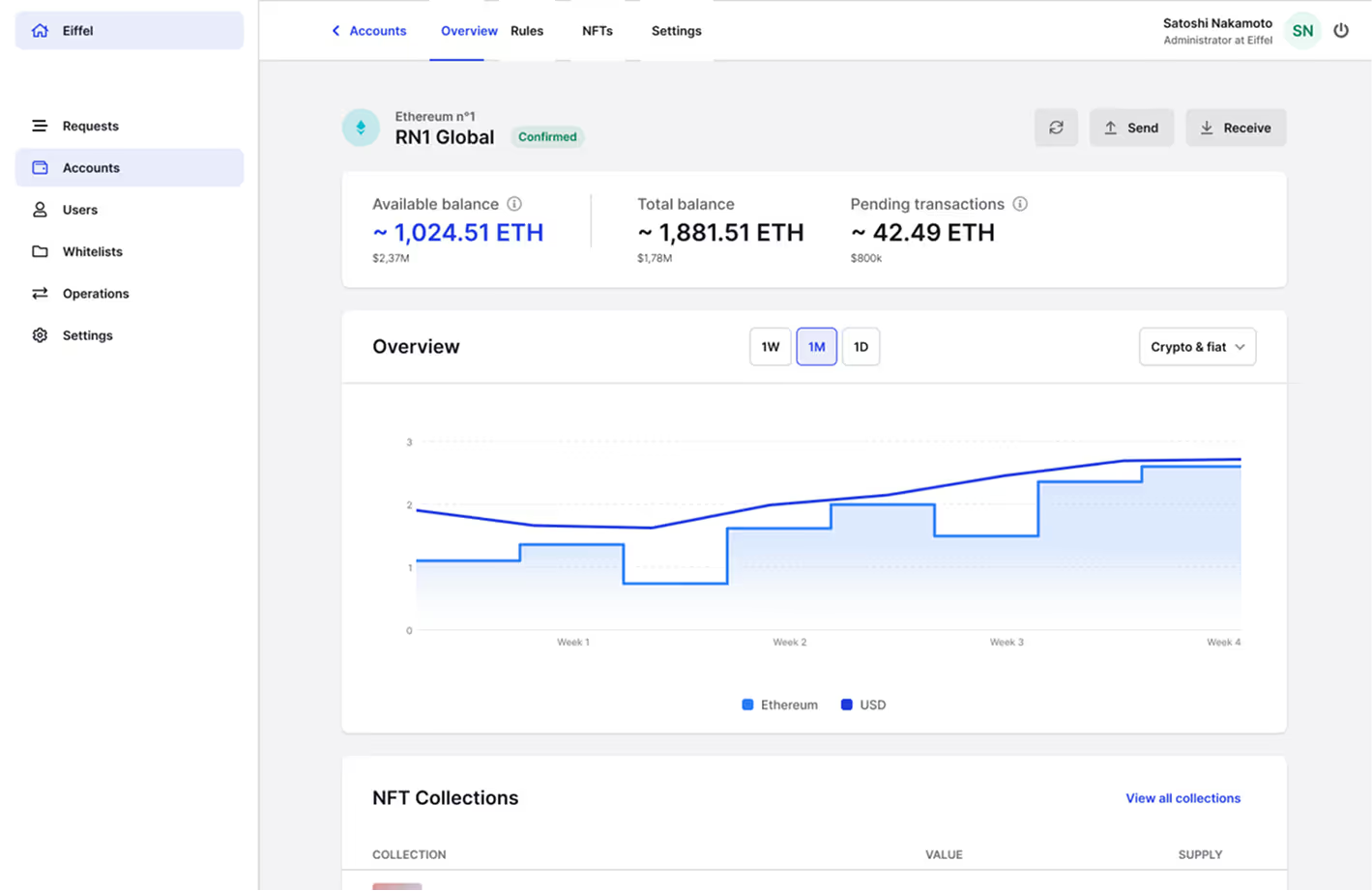
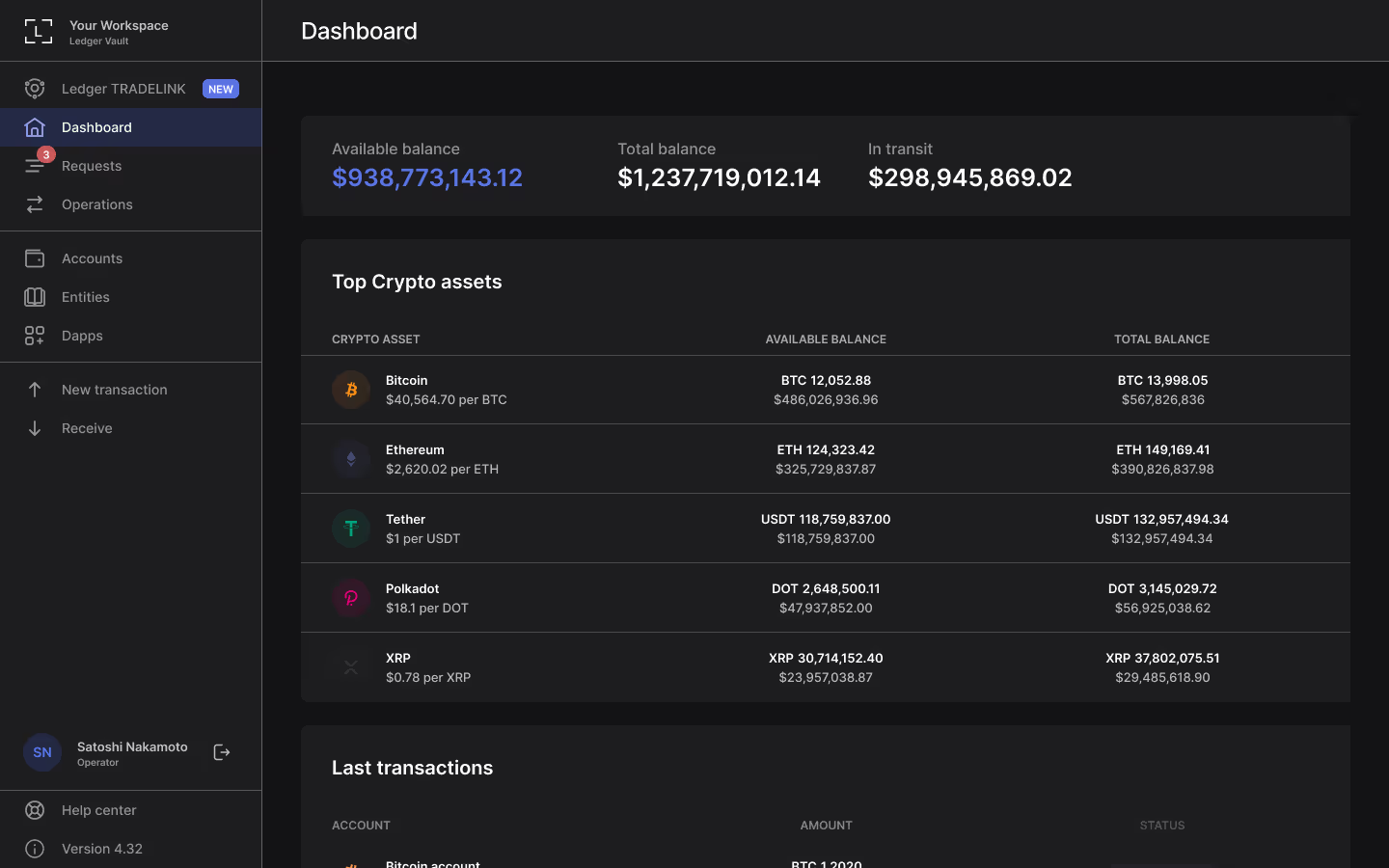
In this industry, dashboards are often overloaded with useless features such as a standard graph showing total portfolio value over time — we removed it. Our interface, on the other hand, leads users with clarity and be-spoke widgets from the very first screen.
From left to right users can now browse their tool from macro to detailed level information, and from top to bottom find the most public to private field of actions. This layout allows to be more responsive in any context.
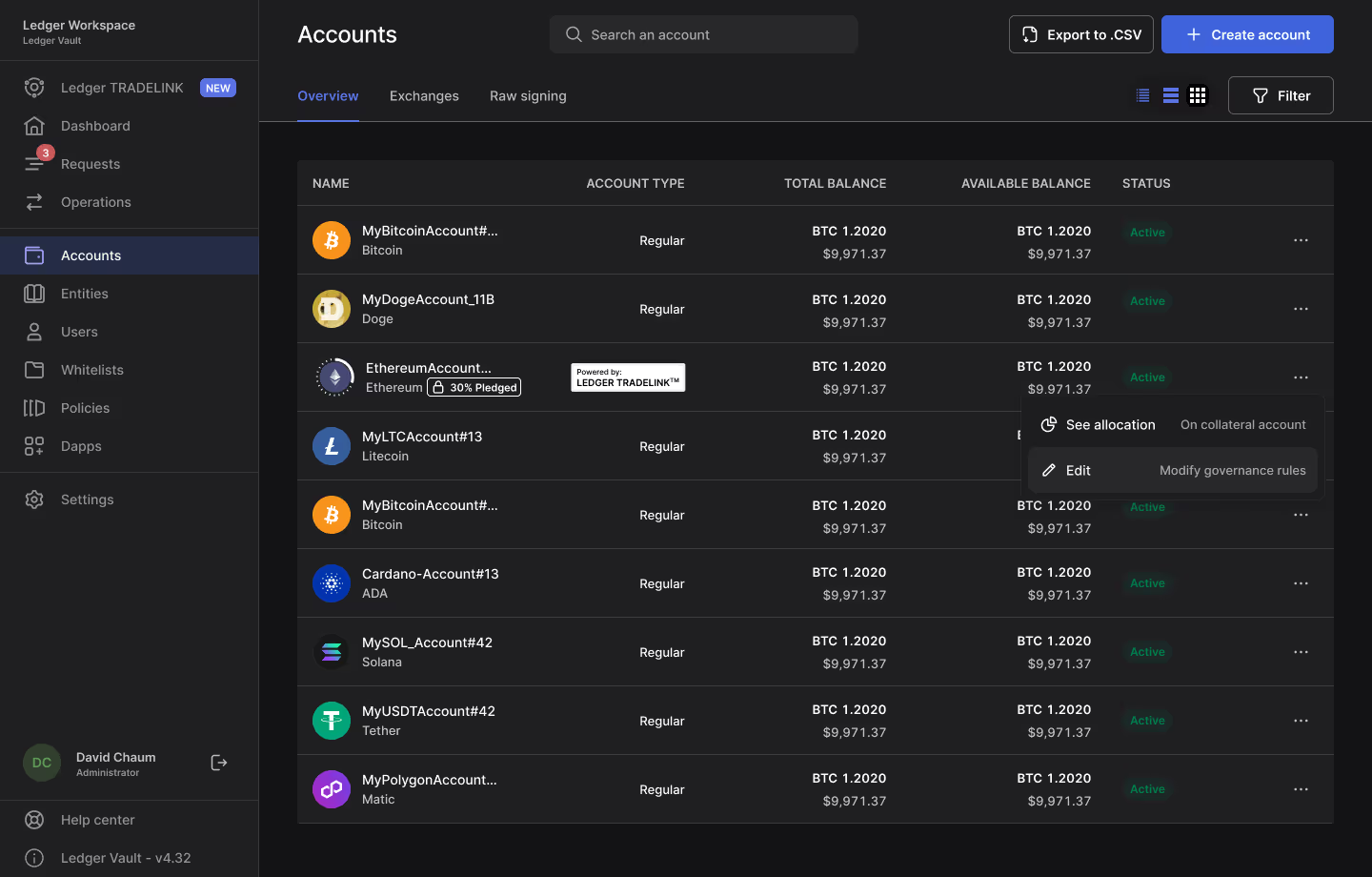
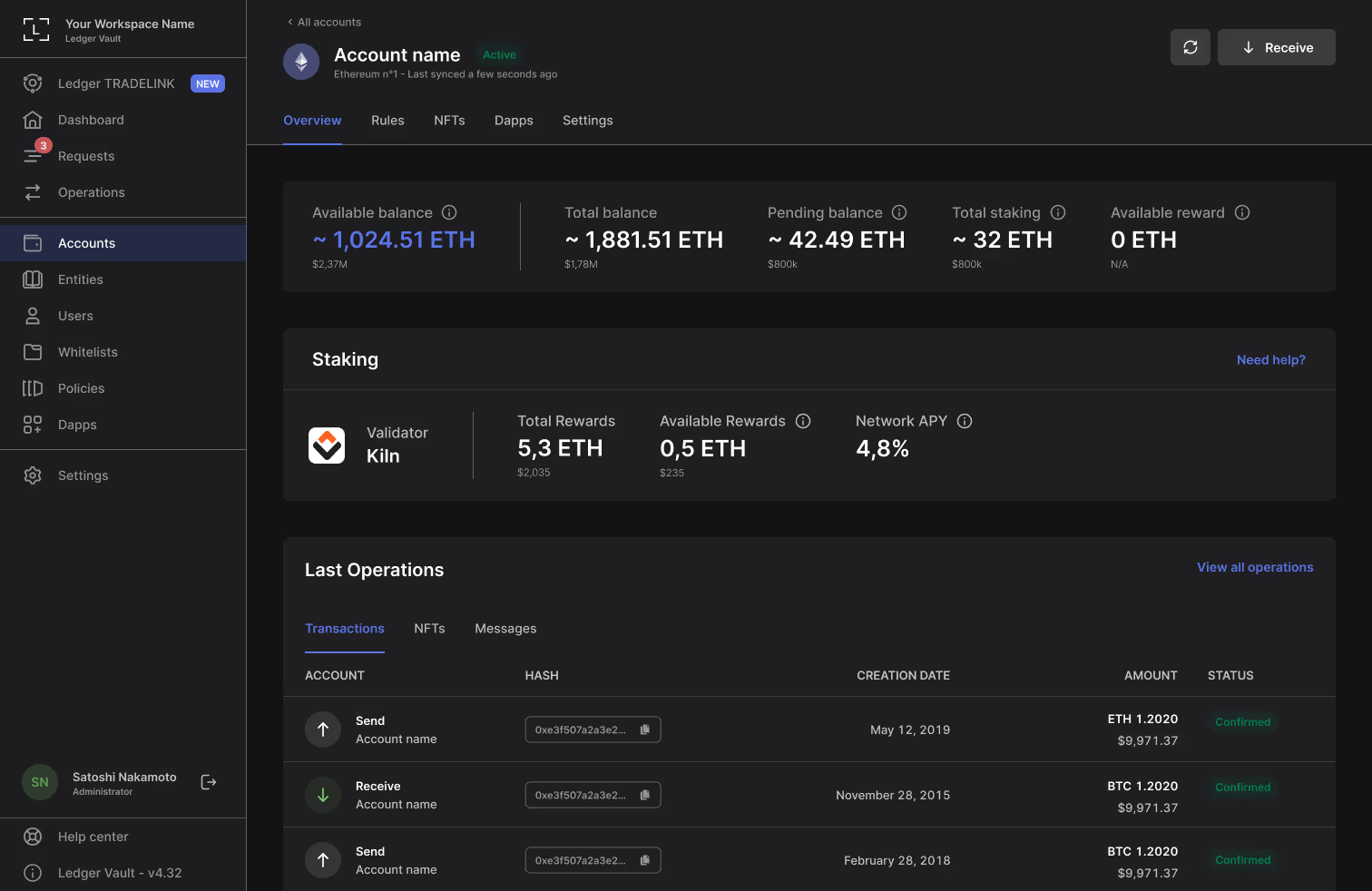
Depending user’s role (administrator or operator) they would not have the same tasks, nor the same navigation bar. I redesigned Ledger Vault in order to let everyone be at the same page, independantly their capacity of actions.

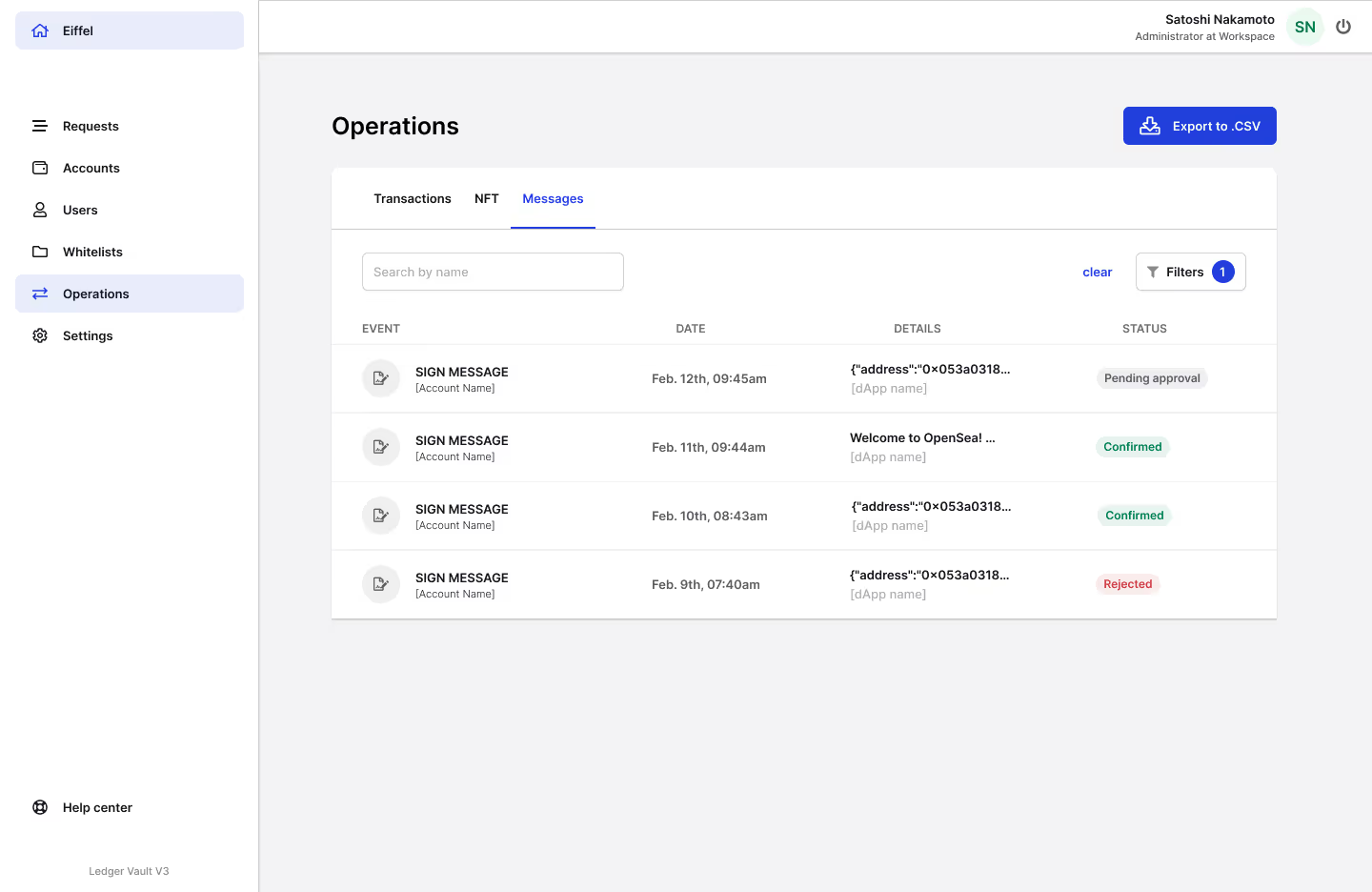
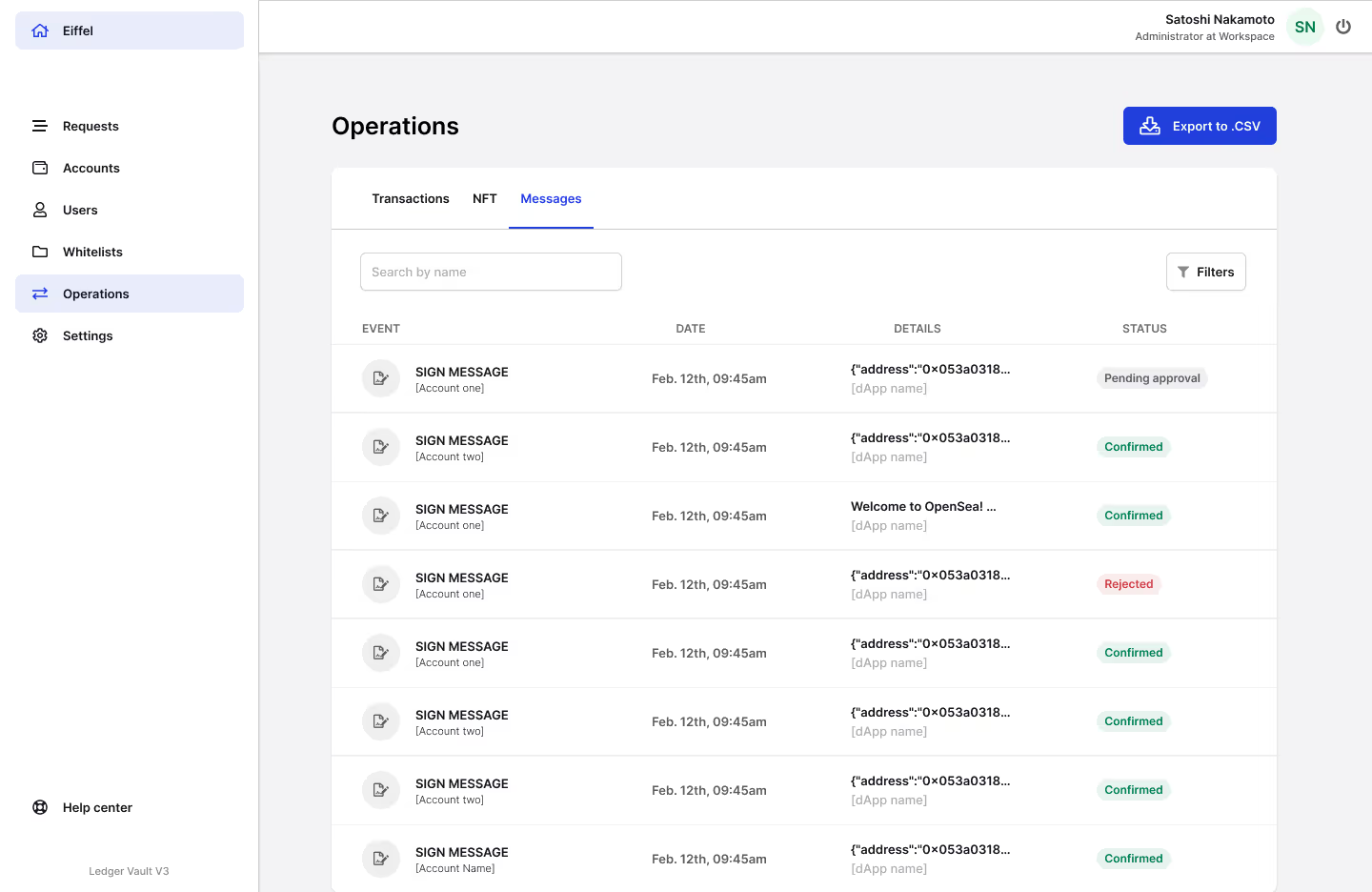
Tables and modals were the choice by default of engineers when they needed to implement a new feature in the platform. I progressively introduced different views to enable users better interpret informations displayed, a page at a time.

I worked with Benjamin for nearly two years at Ledger Enterprise, where he brought structure and clarity to our design process.
He is experienced and highly capable of managing cross functional topics and knows how to federate people around design best practices. I would gladly collaborate with him again.
